ICA4 UFMG

The Intercontinental Academia (ICA) emerged as a transformative initiative, led by the University-Based Institutes for Advanced Study (UBIAS) and uniting brilliant young academics from 44 international institutes. This global endeavor, at the crossroads of cross-disciplinary research, aimed to transcend traditional boundaries, offering mentored experiences to future research leaders. Simultaneously, the UFMG Seminar Series on Intelligence and Artificial Intelligence (IAI) unfolded from November 8 to 11, 2022, in conjunction with ICA4. This engaging event explored cognitive processes, AI, and their societal implications, featuring distinguished guests, including two Nobel Prize winners, representatives from the Ministry of Science, Technology, and Innovation of Brazil, and the president of the CERN Council (European Organization for Nuclear Research).
The thematic spectrum delved into the intricate relationship between complex systems science and AI, examining the profound impact of artificial intelligence on various societal aspects. Discussions encompassed health, economy, work, education, law, philosophy, robotics, and computing, exploring the foundations and ethical dimensions of AI. As an integral part of the ICA initiative, ICA4 served as a beacon, sparking meaningful exchanges and collaborations. The immersive experience aimed to transform scholars' research approaches, fostering interdisciplinary awareness and shaping the future of global research and academia.
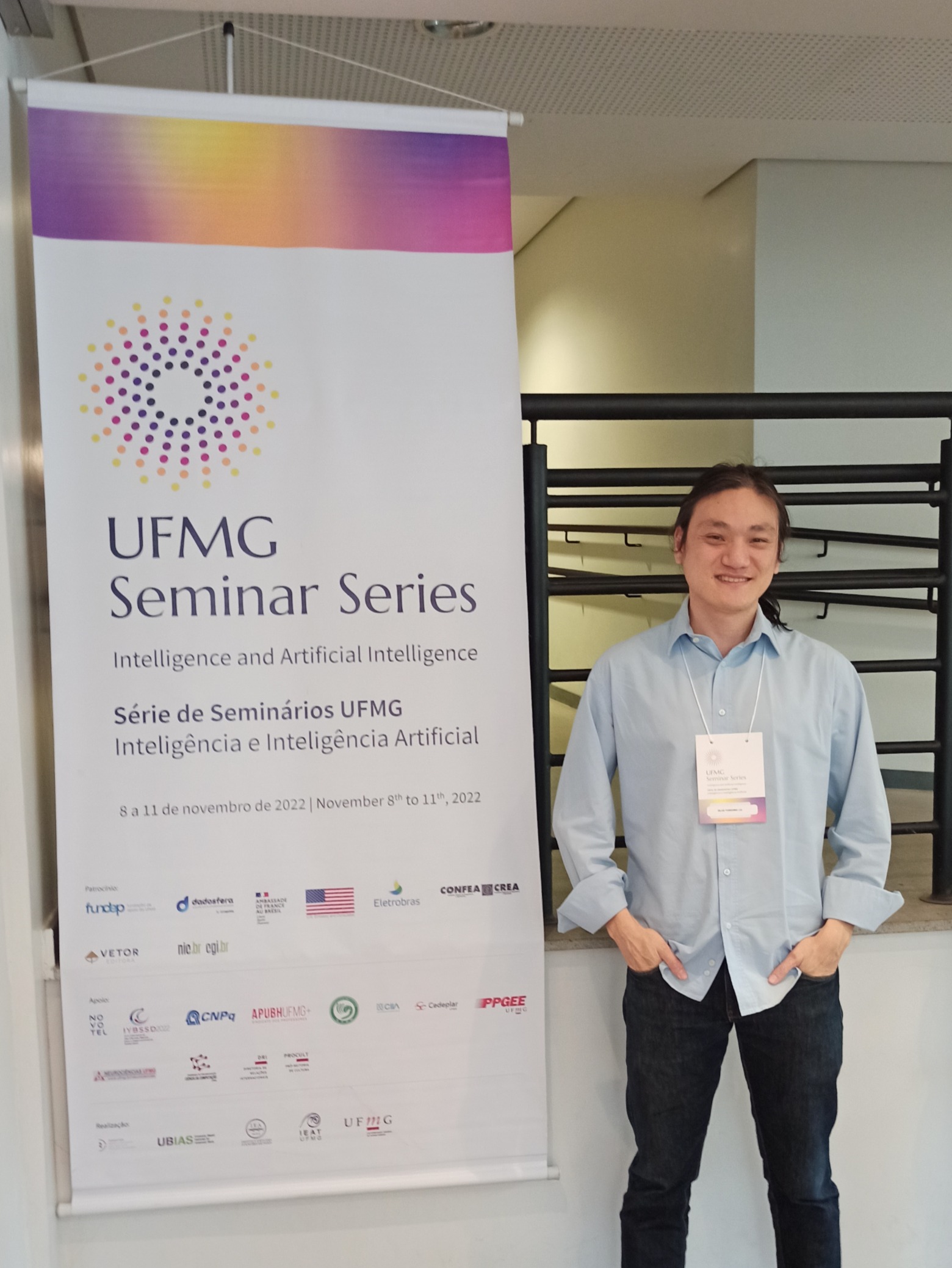
Participating in the UFMG Seminar Series and Intercontinental Academia 4 was a truly exhilarating experience. The opportunity to engage with speakers from around the globe, including the USA, Israel, China, Japan, New Zealand, and France, added a rich international perspective to the discussions.
The event proved to be intellectually stimulating, offering profound insights from Nobel Prize winners and directors of esteemed research centers such as CERN Council, C4AI (Center for AI) USP, and MCTI (Brazilian Ministry of Science, Technology, and Innovation). The focus on the highly relevant theme of Artificial Intelligence made the participation even more insightful and commendable.
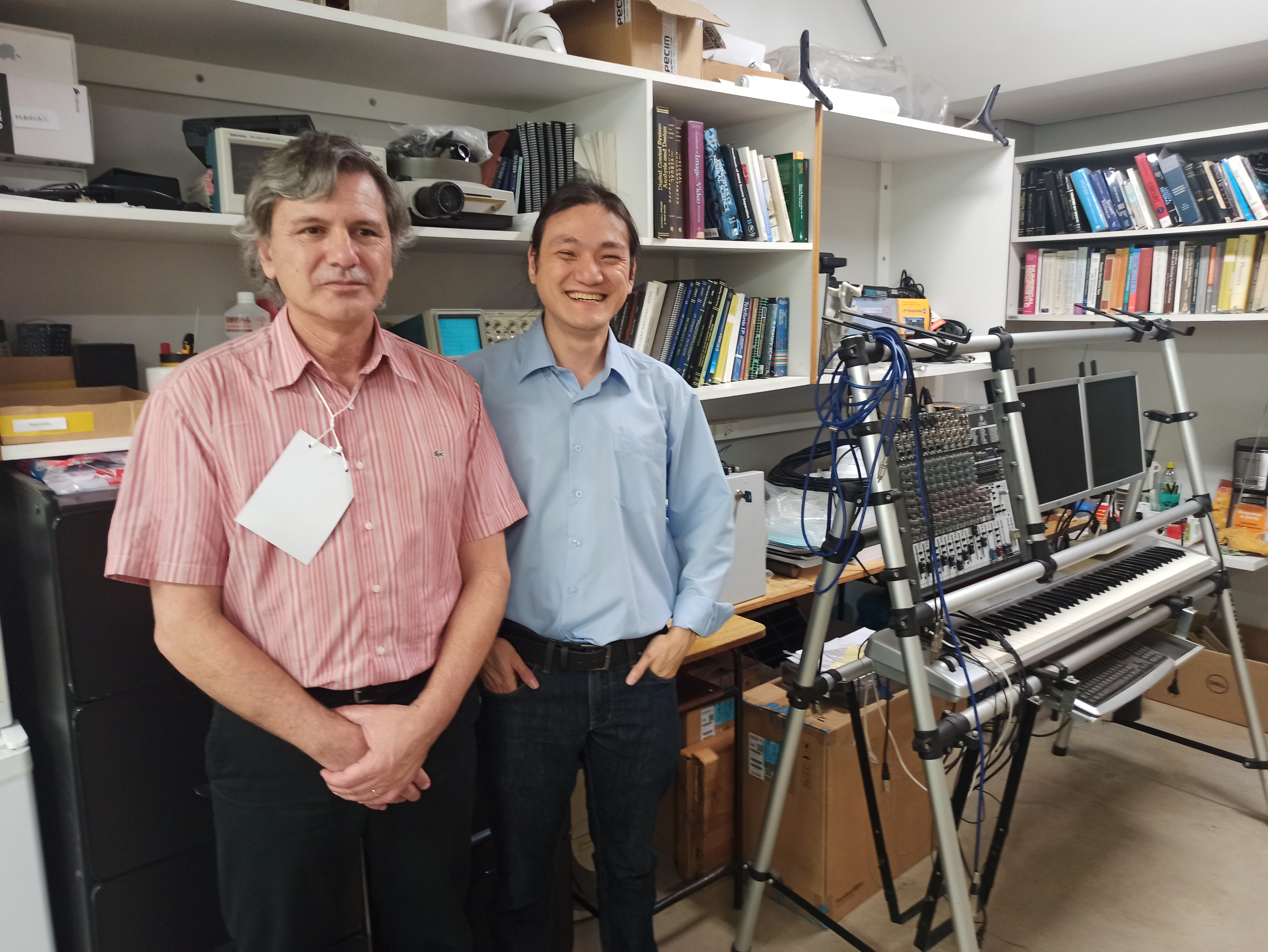
Hani Camille Yehia, former coordinator of UFMG's Graduate Program in Neurosciences and CEFALA (Center for Studies of Speech, Acoustics, Language, and Music), is a key figure in interdisciplinary research.
His work delves into the connections between speech, facial movement, and brain activity, offering practical insights into human communication. By bridging physics, neuroscience, linguistics, and music, Yehia contributes to broader fields like Artificial Intelligence and Neuroscience, underlining the importance of interdisciplinary approaches in understanding human communication complexity.
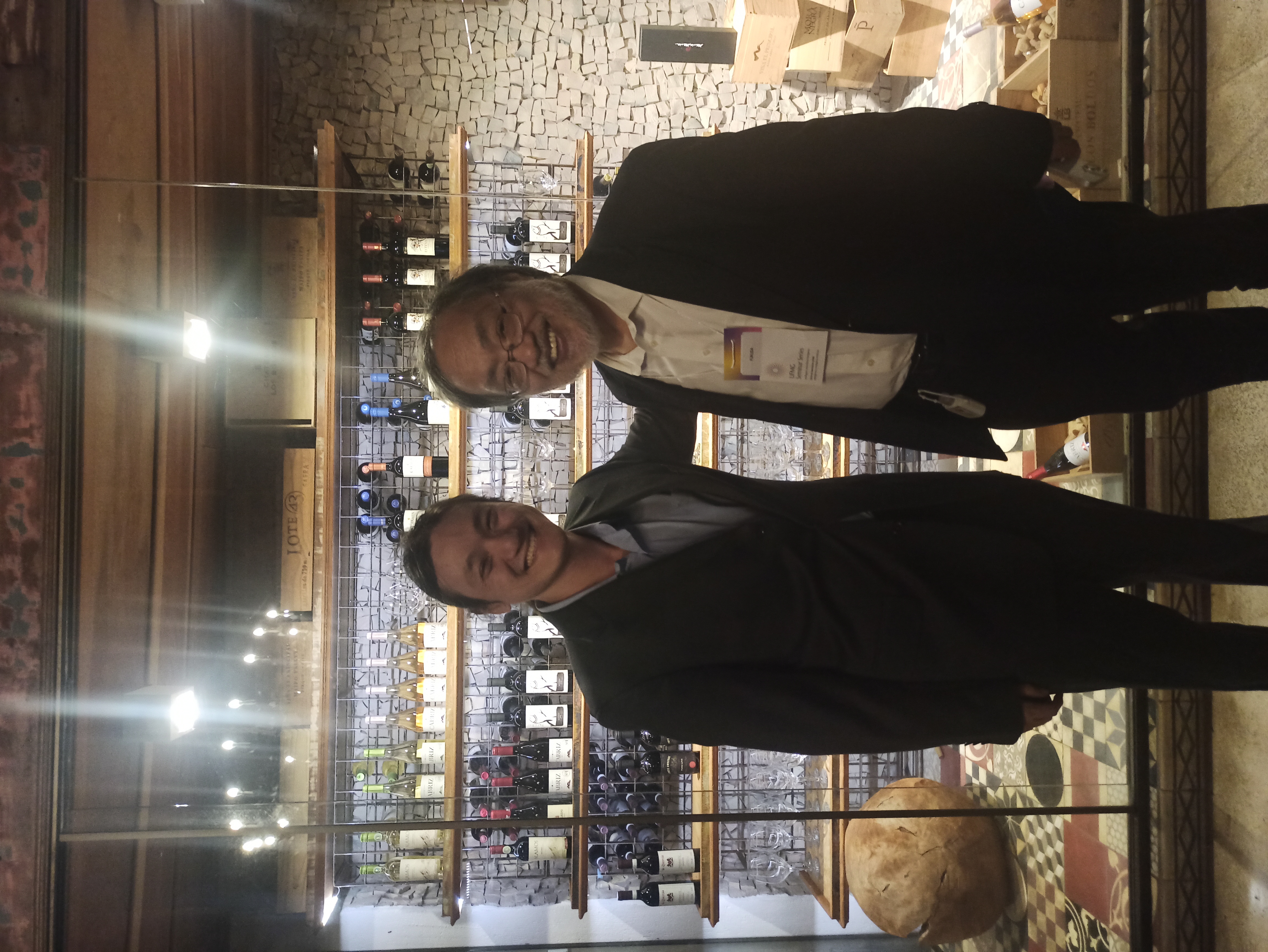
Toshio Fukuda, a distinguished figure in the field of robotics, holds notable positions as a Professor at the Beijing Institute for Technology and an Emeritus professor at Nagoya University. With a focus on intelligent robotic systems, micro-nano robotics, bio-robotic systems, and neuromorphic intelligent control, Fukuda is a world-renowned researcher. His groundbreaking contributions include pioneering microrobotics technology crucial to medical advancements and the development of continuous movement in robots.
Recognized for his outstanding achievements, Fukuda has received prestigious awards such as the 1997 Dr.-Ing. Eugene Mittelmann Achievement Award, the 2000 IEEE Third Millennium Medal, and the 2011 IEEE/RSJ IROS Harashima Award for Innovative Technology. In 2019, he served as the President-Elect of the Institute of Electrical and Electronics Engineers (IEEE), reflecting his influential role in shaping the field of robotics.
Eliezer Rabinovici, a distinguished Particle Physics scholar, holds the Leon H. and Ada G. Miller Chair at the Racah Institute of Physics, Hebrew University of Jerusalem. Formerly chairing various committees and contributing significantly to gender equality, he specializes in theoretical high-energy physics, emphasizing quantum field theory and string theory.
Renowned as the President of the CERN Council (European Organization for Nuclear Research), Rabinovici is instrumental in advancing SESAME, the first synchrotron light source in the Middle East. Notably, he initiated the Intercontinental Academia concept, showcasing his visionary impact on global scientific collaboration.
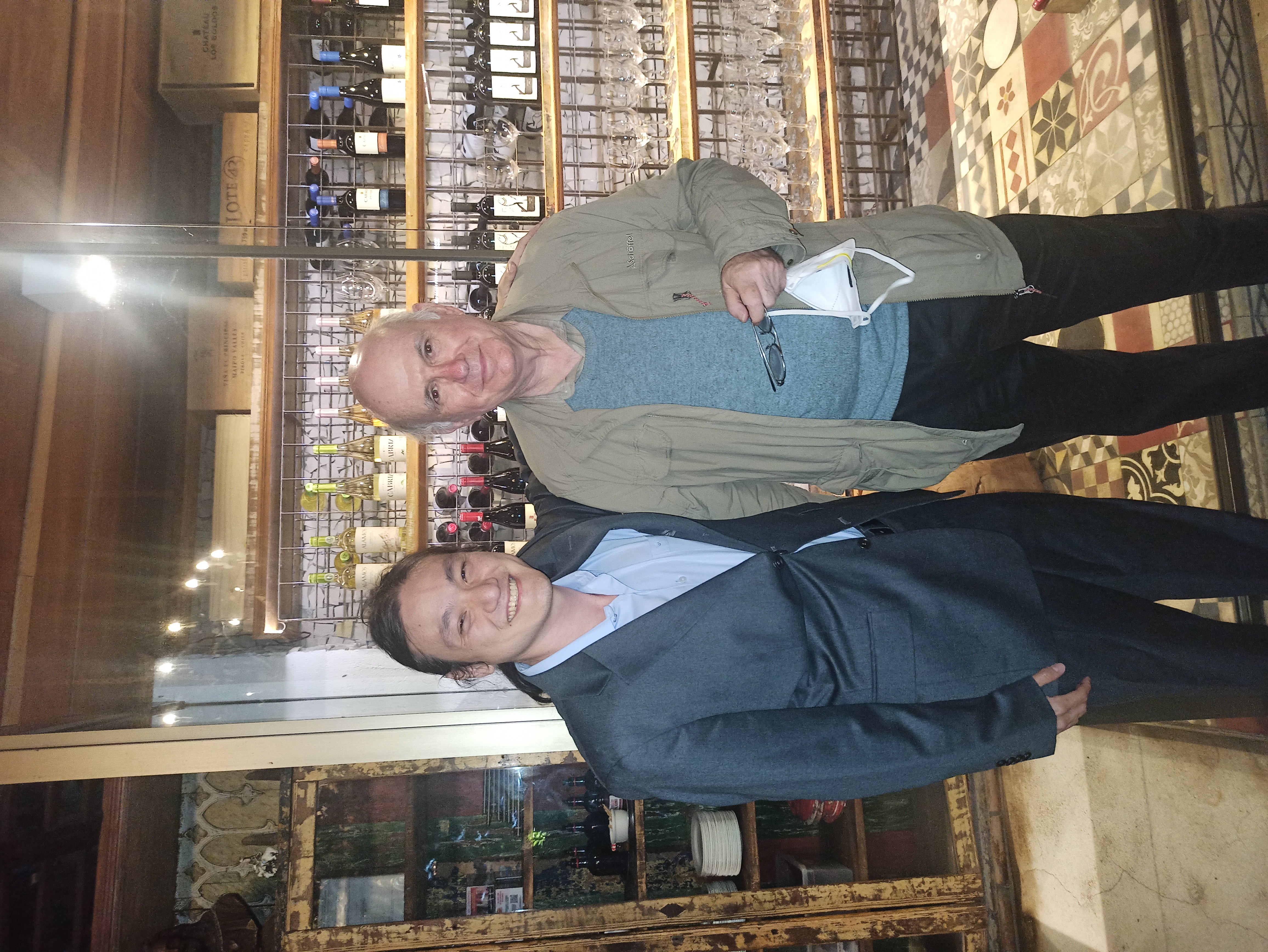
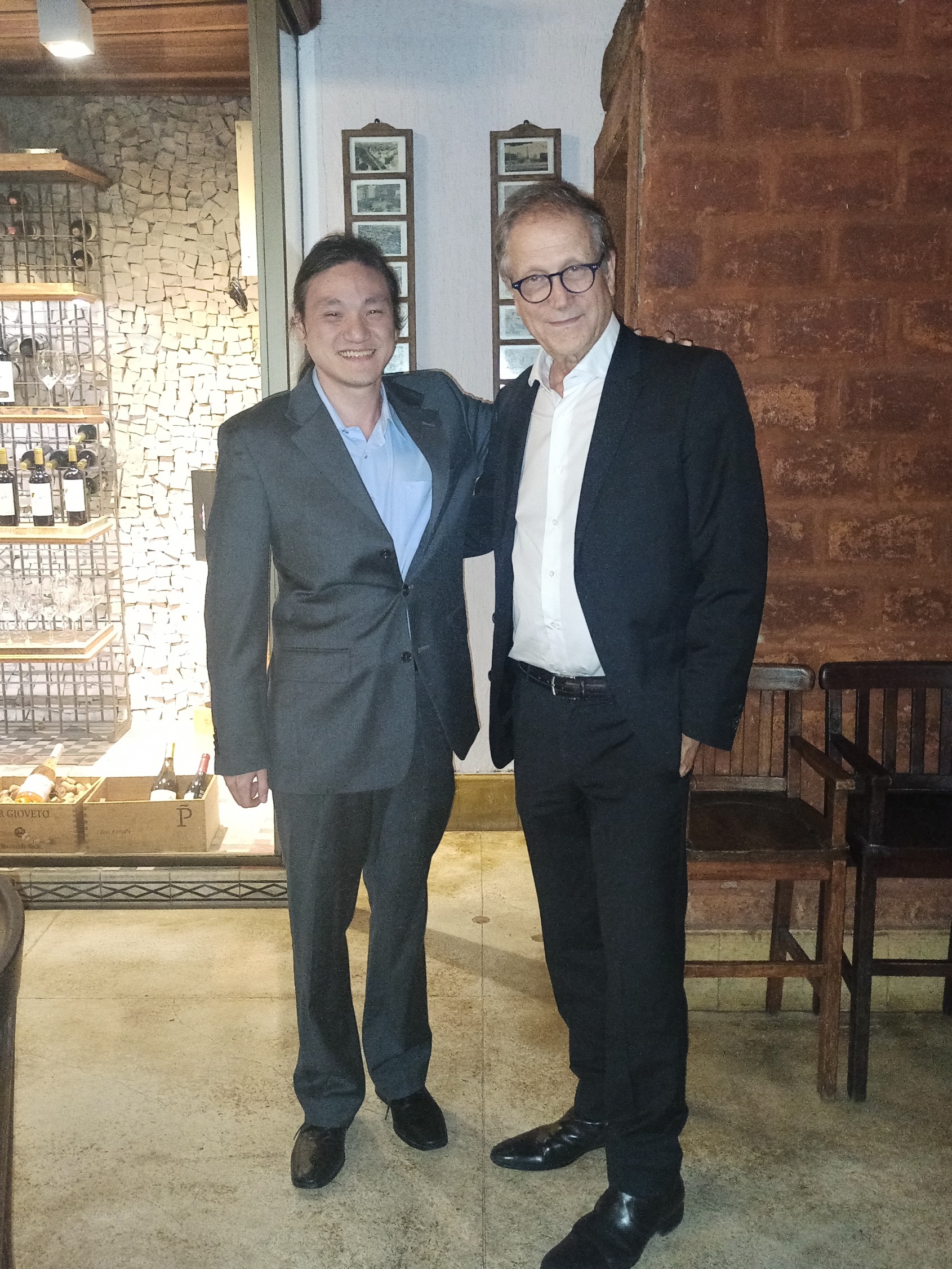
Itzhak Fried, Director of the Epilepsy Surgery Program at University of California, Los Angeles (UCLA) and Professor of Tel-Aviv Medical Center, is a distinguished clinician and researcher renowned for his innovative approaches to treating epilepsy. With over 1,000 surgeries, including awake-craniotomy language mapping, Dr. Fried's patient-centric philosophy emphasizes individualized care.
His groundbreaking research explores the intersection of sleep and memory, aiming to enhance memory through electrical and auditory stimulation. Recently awarded a $7 million grant for collaborative research with artificial intelligence experts, Dr. Fried seeks to develop closed-loop devices for patients with memory disorders, showcasing his commitment to advancing neuroscience and patient well-being.



 10.45.32_651d6ecf.jpg)
 09.12.46_1c99c66f.jpg)

 22.14.25_f14a1d0b.jpg)
 22.14.25_4ab6434c.jpg)
 22.14.26_e6a2173b.jpg)
 22.14.25_f1d79996.jpg)
 13.45.30_5a257f1c.jpg)
 22.16.19_f5e12cb7.jpg)
 22.14.25_5fa3880f.jpg)

 00.38.37_c7430b88.jpg)
 00.38.37_4fbb0329.jpg)
 00.38.37_f3ae5459.jpg)